About 160 years ago in Europe, meat was a food for the wealthy, whereas in Uruguay, cattle were slaughtered mainly for their hides, and beef was considered almost a byproduct. This injustice was rectified by the German chemist Justus von Liebig. He came up with the idea of simmering meat down into a thick broth concentrate. The Germans and the British built a factory right on the Uruguayan coast so they wouldn’t have to transport live cows across the ocean.

Almost every evening, the factory workers would admire sunsets like these
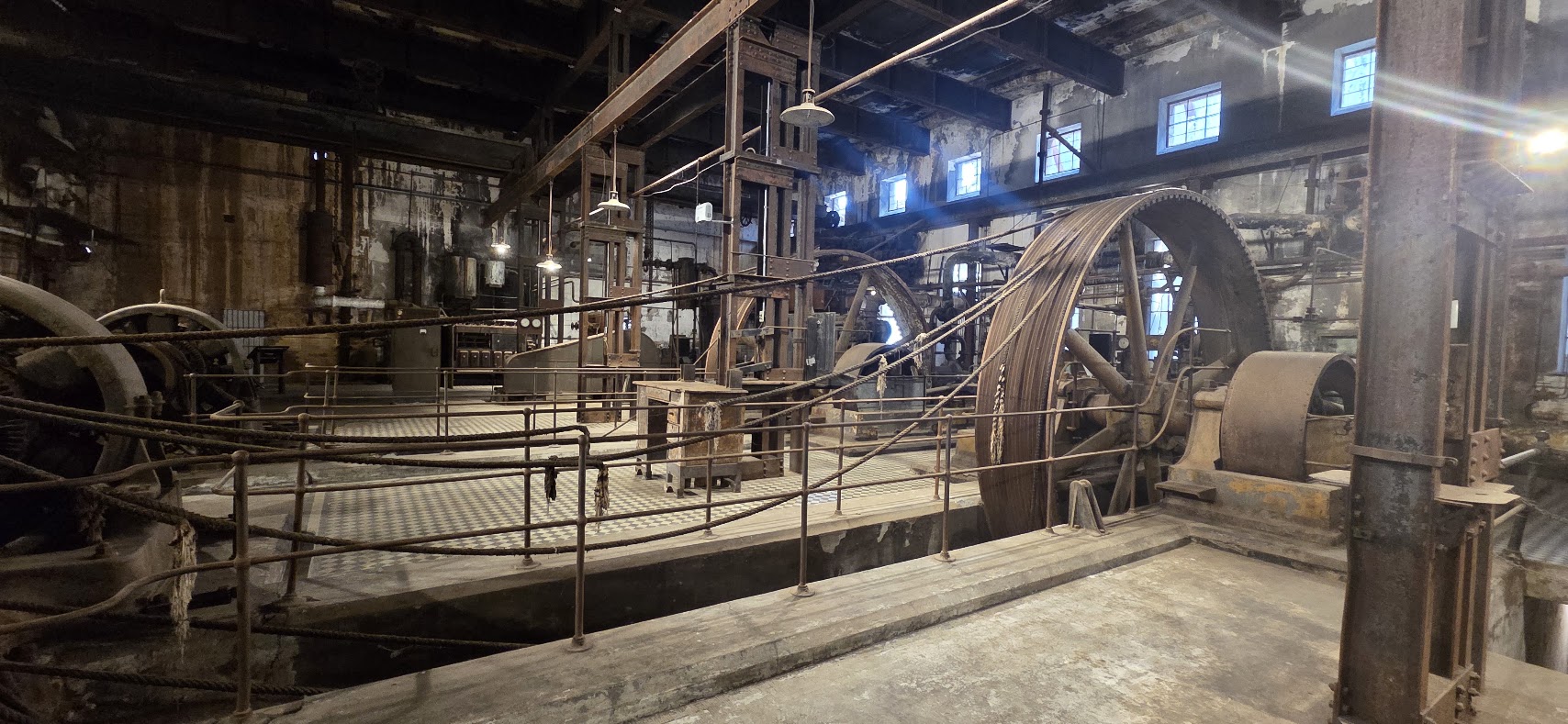
Since there was nothing in Uruguay itself, ships were sent from England, loaded to the brim with coal, machinery, and iron for canning jars. On their return trips, these ships sailed back to Europe, packed with meat extract and corned beef. Workers from more than 60 different nationalities flocked here, many of whom settled permanently in Uruguay. Progress was in full swing here—the country’s first light bulb was lit at this factory in 1879. And during World War I, the factory operated around the clock, supplying soldiers on both sides of the front—both the British and the Germans. This eventually led the British to buy out the factory entirely.
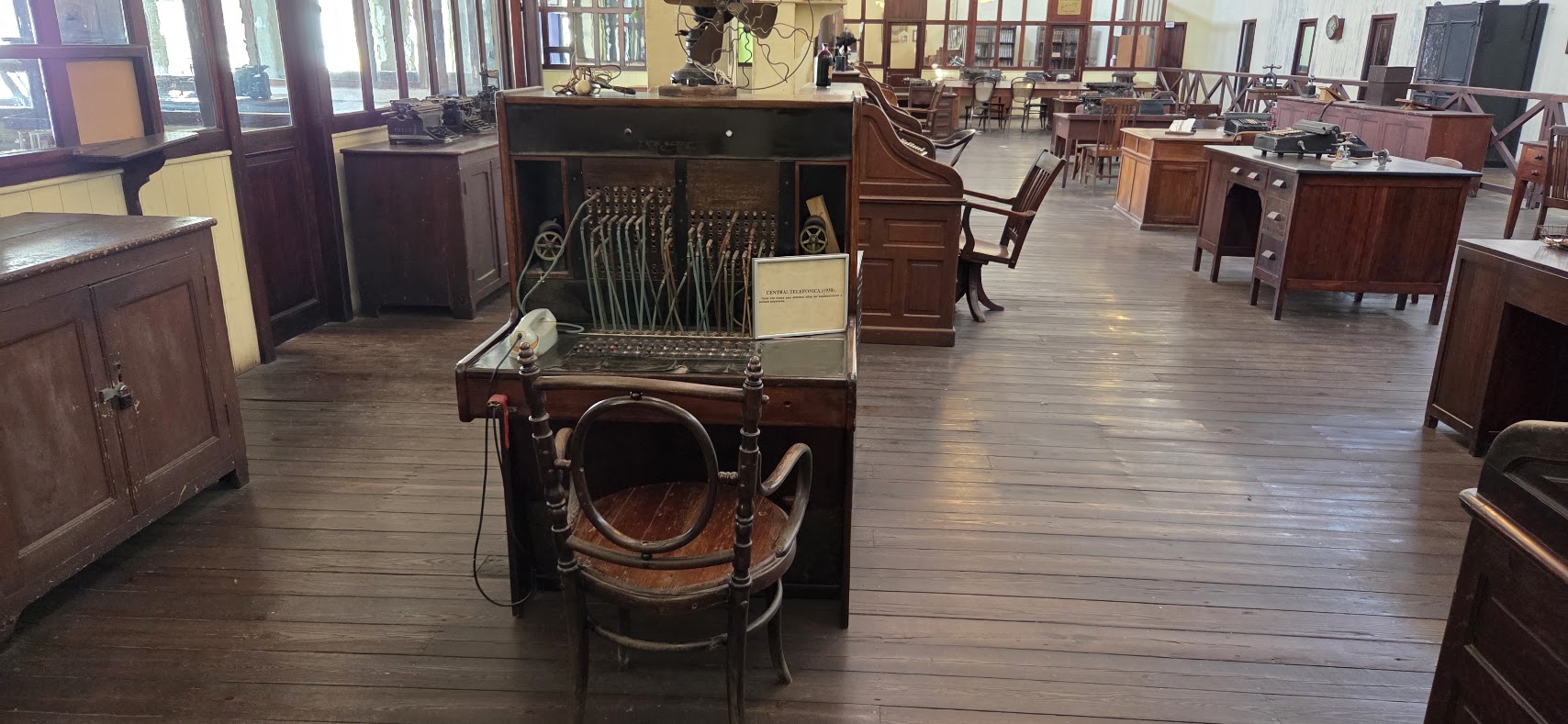
Telephone exchange
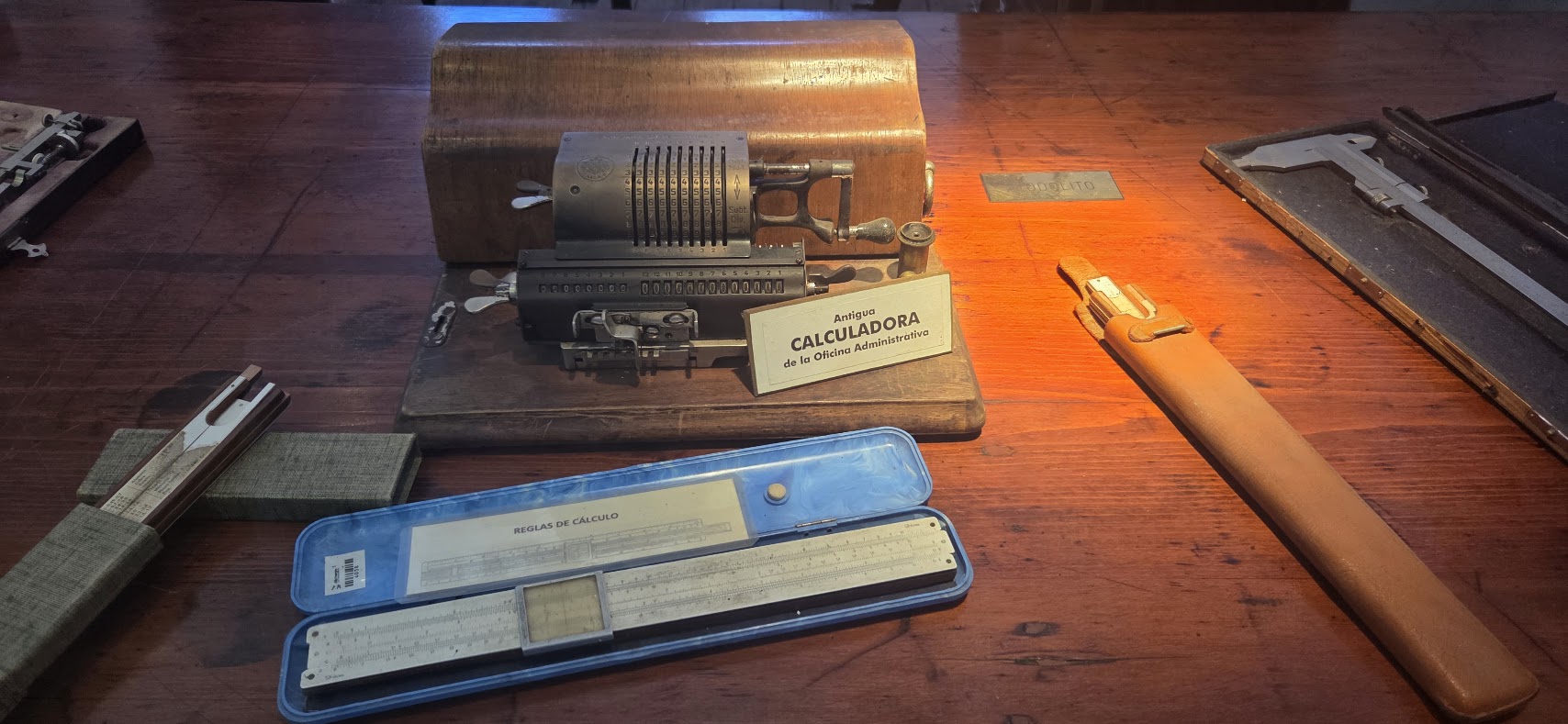
Engineering tools
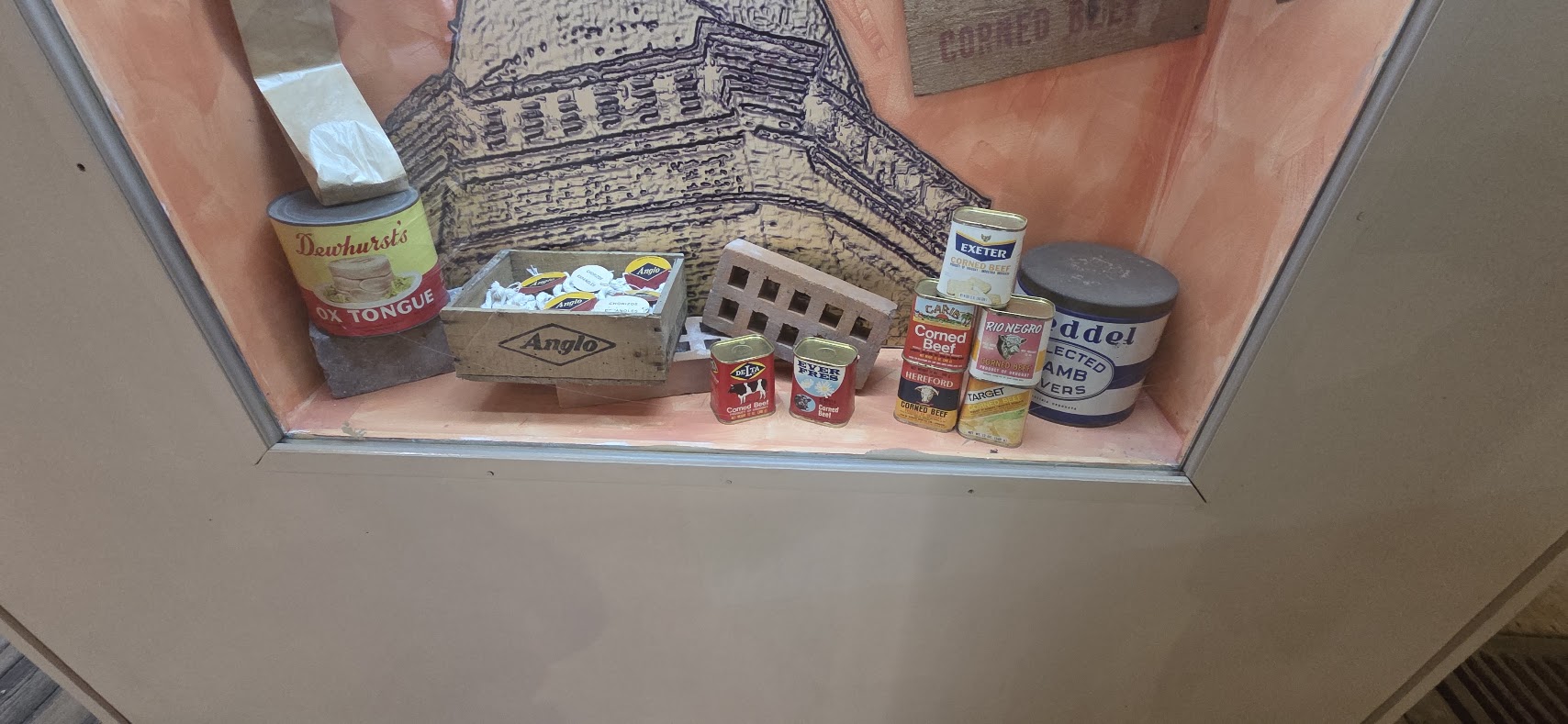
Products
But times changed, the world wars ended, demand for canned beef fell, and in 1979 the factory closed for good. Today, its workshops have been transformed into an amazing museum of the Industrial Revolution, which is now a UNESCO World Heritage Site.
Remnants of past luxury
Oh, and the day before that, we visited an interesting zoo with llamas and capybaras; you can find a few more photos in the Google Photos album